Polymer Clay Troubleshooting: Cracks, Bubbles, Fingerprints, and Lint
Cracks, air bubbles, fingerprints and lint cause most polymer clay disappointments. Here is what causes each one and how to fix it before and after curing.
Polymer clay tutorials, step by step
First steps: what polymer clay is, the tools worth having, conditioning, basic shapes, curing by the package instructions, and fixing common problems.
6 tutorials published
Cracks, air bubbles, fingerprints and lint cause most polymer clay disappointments. Here is what causes each one and how to fix it before and after curing.

Curing requirements differ between polymer clays, so the package is the authority. Learn how to read it, set up your oven properly and spot a failed cure.
Ball, log, teardrop and sheet are the building blocks of nearly every polymer clay project. Learn to form each one cleanly and see what they turn into.
Slice, roll, fold and test: how to condition polymer clay by hand, how to tell when it is ready, and how to rescue clay that is too hard or too soft.
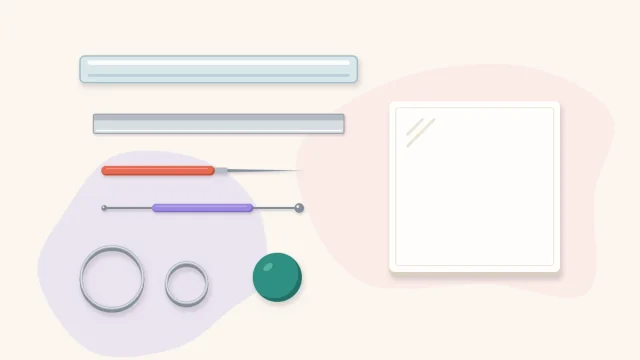
Four tools handle almost every first polymer clay project. Here is what each one does, what can stand in for it, and which upgrades are worth waiting for.
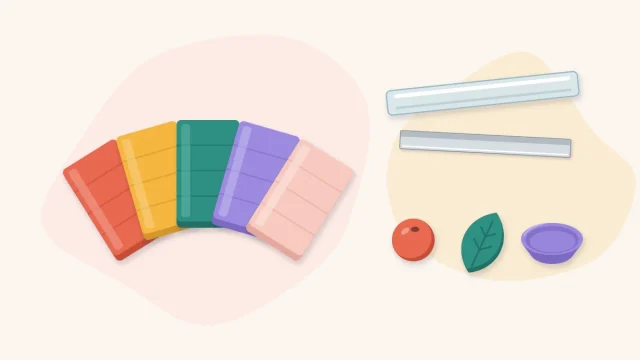
What polymer clay is, which clay and tools to buy first, and how every project moves from block to cured piece. A plain starting point for new makers.